
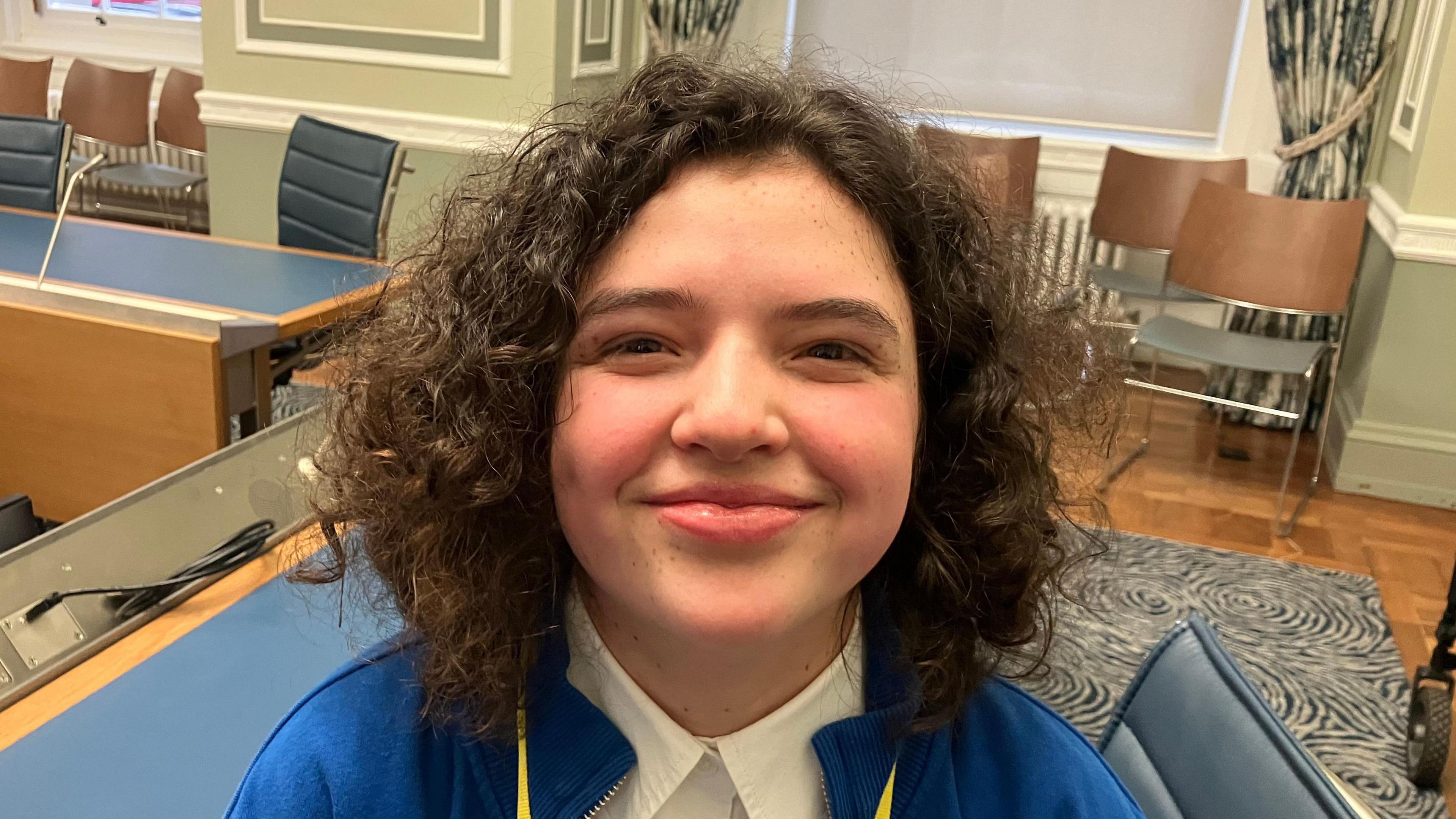
Ellie-May is one of only three deaf pupils at her post-primary school
- New sign language laws in Northern Ireland will have a "huge impact", a deaf teenager has said.
Ellie-May, 14, gave evidence at Stormont to assembly members on the Communities Committee as they scrutinised the Sign Languages Bill.
The bill's aim is to make information and services, including from government departments and public bodies, accessible to people from the deaf community.
The committee's scrutiny of the bill is now completed which means that it can now have its final stages in the assembly before becoming law.
Plans for a sign language bill for Northern Ireland have been in the pipeline for a number of years.
The Sign Language Bill (Northern Ireland) 2025 was subsequently introduced in the Assembly by Communities Minister Gordon Lyons in February 2025.
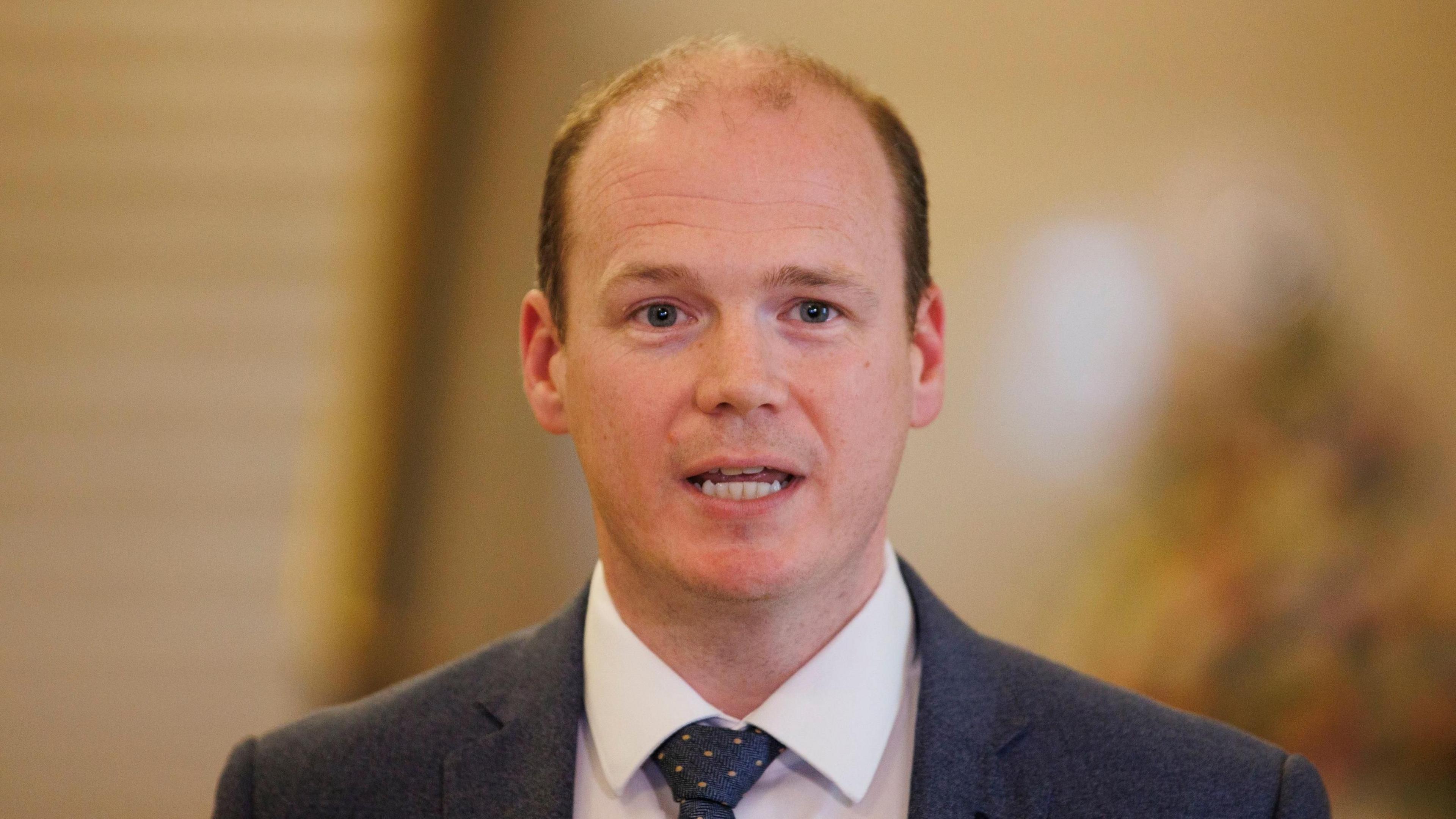
The Sign Language Bill (Northern Ireland) 2025 was introduced in the assembly by Communities Minister Gordon Lyons in February 2025
The bill would give official and equal recognition of British Sign Language (BSL) and Irish Sign Language (ISL) as languages of Northern Ireland and promote the use and understanding of sign languages.
It means that public bodies will have to, by law, "take reasonable steps to ensure that the sorts of information and services provided by it are as accessible to individuals in the deaf community as to those individuals who are not in the deaf community".
The Department for Communities estimated that at least 5000 people in Northern Ireland use either British Sign Language (BSL) or Irish Sign Language (ISL) as their preferred way to communicate.
'Very tough'
Ellie-May is one of only three deaf pupils at her post-primary school.
"It is very tough because you're deaf and you're surrounded by hearing people at a mainstream school, and you have a lot to concentrate on," she said.
"When you're lip reading you're absorbing information and your brain is processing differently from a hearing person."
Ellie-May would like to see more young people in school learn to sign.
"Sign language is very good because obviously you can communicate to people better and you can just sign," she said.
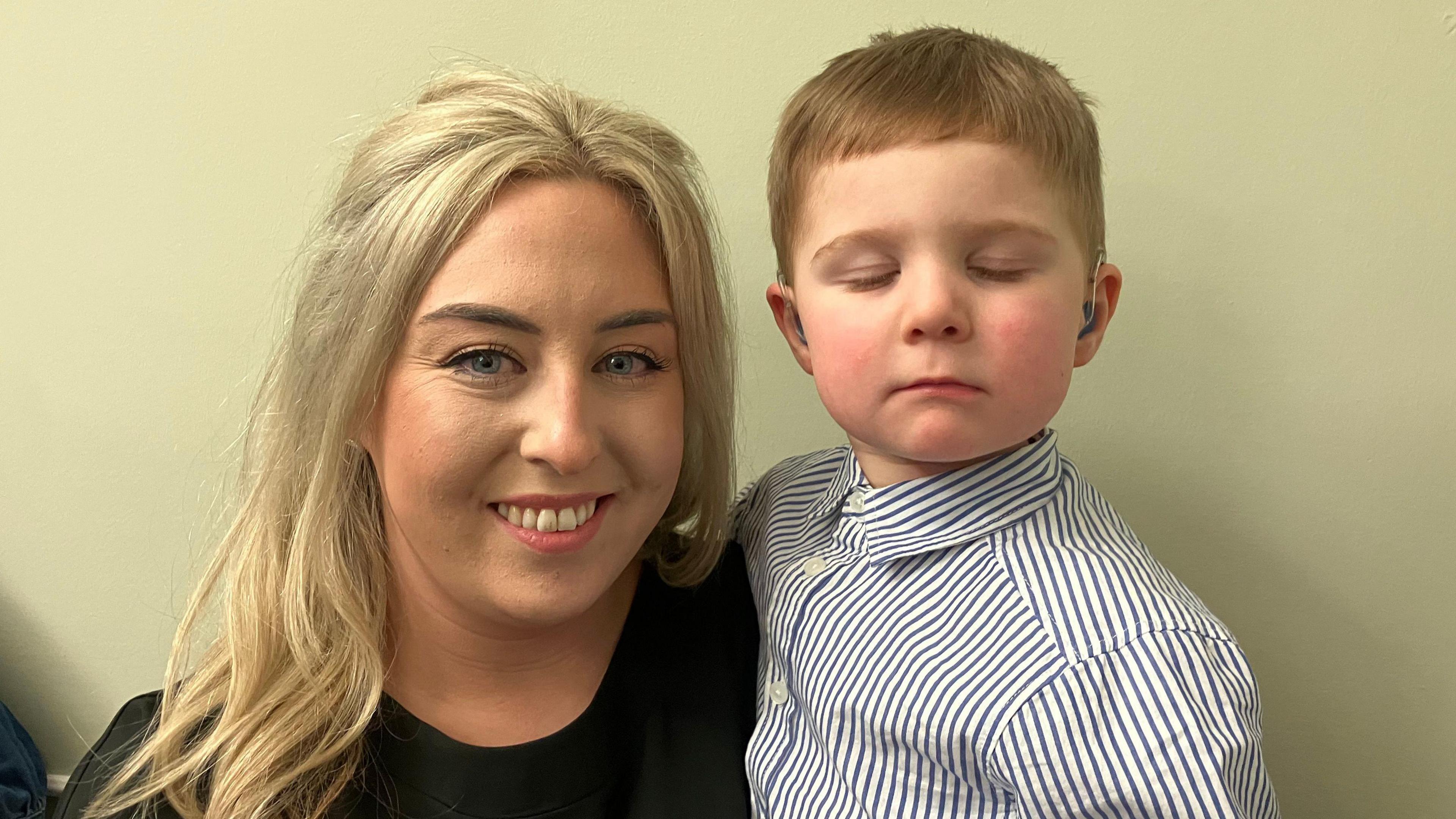
Gemma McMullan, whose two-year old son George is deaf, said deaf children will "be recognised as part of the community" due to the new laws.
George was first identified as deaf at only eight weeks old and has been attending sign language classes at Action Deaf Youth.
"Sign language isn't just a communication tool, it's going to be recognised as an official language and that's really important," she said.
"Our deaf children are going to be seen and they're going to be recognised as part of the community and they're going to have more access to education, healthcare, things like that so it's really important that our children are recognised and using their own language as part of their identity."
Julie Graham from Action Deaf Youth, an organisation for deaf children and young people, said it is a "massive, a massive movement forward".
"What's crucial is particularly to look at deaf children and young people because this will transform their futures."
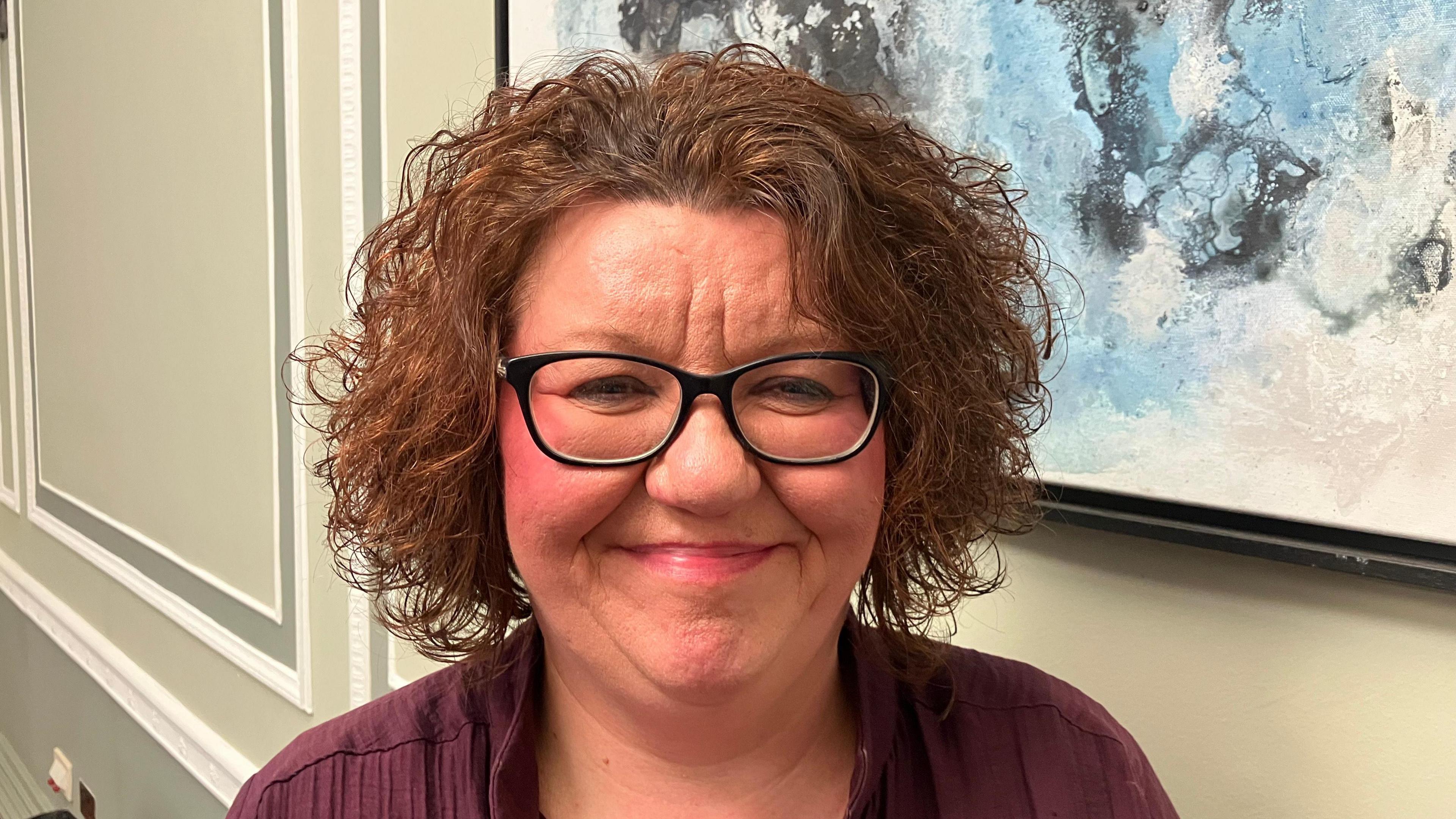
Julie Graham from Action Deaf Youth said it is a "massive" move forward
The British Deaf Association's Majella McAteer told BBC News NI that the finger spelling differs between the two sign languages.
"We spell out words with two hands in British Sign Language and with one hand in Irish Sign Language, but our numbers as well in BSL use one hand, but our numbers in ISL use two hands. So there are big differences," she said.
"Here in Northern Ireland it's something that's very unique to have two sign languages that are used and the majority of our deaf community will know both languages.
"Some will use British sign language, some will predominantly use ISL, it depends where you were educated."
"But we're really proud of it because it just shows the rich culture that we have here."
The committee chair, Sinn Fein MLA Colm Gildernew, said the bill was a landmark one.
"In practical terms it's going to mean that all public bodies will have to provide services to people in their first languages," he said.
"It gives official recognition to both BSL and ISL and it recognises that those languages are the first language of people when they're using services."
Cost of bill
The committee's report into the bill, published on Thursday, and said that the services introduced under the bill - like more translators and interpreters - would cost around £3m a year.
The expectation is that the bill will be passed into law by MLAs before the next Assembly elections in May 2027.
From BBC
